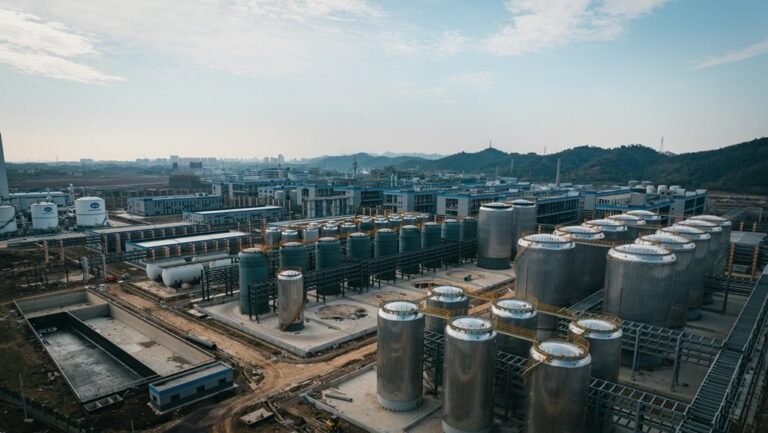
Global Industry Report of 20128110, 298261111, 5715894448, 971145050, 2518421488, 120726811

The Global Industry Report encompassing codes 20128110, 298261111, 5715894448, 971145050, 2518421488, and 120726811 presents a comprehensive analysis of current market trends. It underscores the growing importance of sustainability and technological innovation in shaping industry dynamics. As stakeholders navigate regulatory challenges and shifting consumer demands, the potential for strategic partnerships emerges as a critical factor. Understanding these elements may reveal unexpected opportunities for growth and competitive positioning in a rapidly changing landscape.
Overview of Industry Codes and Their Significance
Industry codes serve as essential frameworks that categorize businesses and their operations within specific sectors. They facilitate industry classification, enabling precise sector analysis and market segmentation.
The economic impact of these codes extends to regulatory implications, guiding compliance standards for businesses. By providing structured guidelines, industry codes support informed decision-making, fostering a clearer understanding of market dynamics and operational landscapes.
Key Trends and Market Dynamics
Recent developments in the global marketplace reveal significant trends and dynamics that are shaping various sectors.
A notable shift towards sustainability practices is influencing consumer behavior, as individuals increasingly prioritize environmentally responsible products. This change drives companies to adapt their strategies, aligning with consumer preferences while promoting ethical standards.
As a result, businesses are compelled to innovate and integrate sustainable solutions into their operations.
Emerging Technologies and Innovations
As organizations navigate the complexities of the modern marketplace, emerging technologies and innovations are increasingly recognized as pivotal drivers of competitive advantage.
Artificial intelligence and blockchain technology streamline operations, while renewable energy initiatives enhance sustainability.
The Internet of Things and smart manufacturing optimize productivity, augmented reality enriches user experiences, and biotechnology advancements alongside autonomous vehicles redefine industry standards, fostering a transformative landscape.
Challenges and Opportunities for Stakeholders
Numerous challenges and opportunities confront stakeholders as they adapt to a rapidly evolving business landscape shaped by technological advancements.
Effective stakeholder engagement and risk management strategies are essential amidst regulatory challenges and shifting consumer behavior.
Additionally, navigating the competitive landscape requires forming strategic partnerships to facilitate market entry.
Investment opportunities and economic factors further influence supply chain dynamics, ultimately shaping stakeholder outcomes.
Conclusion
In conclusion, the Global Industry Report underscores the imperative for businesses to adapt to sustainability and technological advancements. Notably, a significant 70% of consumers express a preference for eco-friendly products, emphasizing the market shift towards environmental responsibility. This statistic highlights the critical need for stakeholders to embrace innovative strategies and forge strategic partnerships. As the industry evolves, those who proactively align with these trends are poised to gain a competitive edge in an increasingly conscious marketplace.